

When it comes to alternative smoking methods, the debate between vapes vs shisha has become increasingly relevant since 2024. Both options offer distinct experiences, but understanding their differences in health impact, cost, convenience, and social dynamics is crucial for making an informed choice. This comprehensive guide examines seven critical differences between vaping and shisha smoking, helping you understand which option might align better with your preferences and lifestyle.
Table of Contents
What Are Vapes and Shisha?
Understanding Vaping
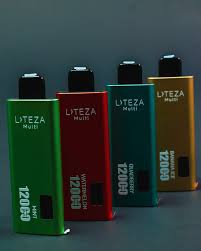
Vaping involves inhaling vapor produced by electronic devices that heat e-liquids containing nicotine, flavorings, and other chemicals. Modern vapes come in various forms, from disposable pens to sophisticated mod systems, offering users control over nicotine levels and flavor experiences.
The vaping industry has evolved significantly, with devices becoming more sophisticated and user-friendly. E-liquids typically contain propylene glycol, vegetable glycerin, flavorings, and varying amounts of nicotine, creating vapor when heated by battery-powered coils.
Understanding Shisha (Hookah)
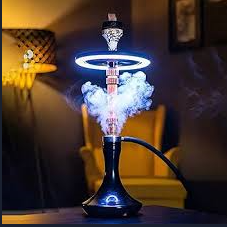
Shisha, also known as hookah, involves smoking flavored tobacco through a water pipe. The traditional setup includes a bowl containing tobacco, a water chamber, and hoses for multiple users. The tobacco is heated using charcoal, and the smoke passes through water before being inhaled.
This ancient practice, originating approximately 400 years ago in India and Persia, has maintained its cultural significance while adapting to modern preferences with various flavor options and improved equipment designs.
Health Effects Comparison
Vaping Health Considerations
Recent research reveals that vaping, while potentially less harmful than traditional cigarettes, still carries significant health risks. A 2019 study into the long-term health effects of vaping found that people using e-cigarettes had a higher risk of respiratory disease than people who never smoked.
Key health concerns with vaping include:
Respiratory Issues: Users may experience lung irritation, coughing, and potential development of respiratory diseases. The long-term effects remain under investigation, but early studies suggest concerning trends.
Cardiovascular Impact: Nicotine in vape products can affect heart rate and blood pressure, potentially leading to cardiovascular complications over time.
Chemical Exposure: Vapes may contain harmful chemicals like diacetyl linked to lung disease, and there are still unknown long-term effects of vaping.
Shisha Health Risks
Shisha smoking presents more immediate and severe health risks compared to vaping. Levels of carbon monoxide in the body from smoking shisha can be up to 17 times higher than from cigarettes and can cause carbon monoxide poisoning.
Cancer Risk: Looking at all the evidence together suggests that smoking shisha could double your risk of lung cancer, making it significantly more dangerous than many people realize.
Cardiovascular Disease: The combustion process in shisha smoking releases numerous toxins that directly impact cardiovascular health, with effects being particularly pronounced due to longer smoking sessions.
Infectious Disease Risk: Shared mouthpieces and water chambers can facilitate the transmission of infectious diseases, including respiratory infections and oral diseases.
Cost Analysis
Initial Investment and Ongoing Costs
Vaping Costs:
- Starter kit: $20-$100
- Monthly e-liquid: $30-$80
- Replacement coils: $10-$20 monthly
- Annual cost: $400-$1,200
Shisha Costs:
- Quality hookah setup: $50-$300
- Tobacco per session: $3-$8
- Charcoal and accessories: $10-$20 monthly
- Annual cost: $500-$1,500 (depending on frequency)
The cost comparison shows that vaping generally offers better long-term value, especially for frequent users, while shisha may be more economical for occasional social users.
Convenience and Portability
Vaping Convenience
Modern vaping devices excel in portability and convenience. Most vapes are pocket-sized, require minimal setup, and can be used almost anywhere (where permitted). The instant availability and discrete nature make vaping appealing for users with busy lifestyles.
Battery life typically ranges from several hours to full days, depending on usage patterns and device specifications. Maintenance involves simple tasks like refilling e-liquid and occasional coil replacement.
Shisha Setup Requirements
Shisha smoking requires significant preparation and space. A complete session involves:
- Setting up the hookah apparatus
- Preparing tobacco and charcoal
- Waiting for proper heating
- Managing ongoing charcoal replacement
This process typically takes 15-30 minutes for setup and sessions last 45-90 minutes, making it unsuitable for quick or discrete use.
Social and Cultural Aspects
Vaping Culture
Vaping has developed its own subculture, often centered around device customization, cloud production, and flavor exploration. The practice is generally individualistic, though vaping communities exist both online and in specialized shops.
Social acceptance varies significantly by location and social group, with many public spaces restricting vaping similar to traditional smoking.
Shisha Traditions
Shisha smoking carries deep cultural significance in many societies, particularly in Middle Eastern and South Asian communities. The practice emphasizes social bonding, relaxation, and communal experience.
Traditional shisha sessions involve multiple participants, conversation, and extended time investment, making it more of a social event than a quick nicotine fix. This cultural aspect often attracts users seeking authentic cultural experiences or social connection.
Flavor Varieties and Experience
Vaping Flavors
The vaping industry offers an extensive range of flavors, from traditional tobacco and menthol to exotic fruit blends, dessert flavors, and complex combinations. Users can easily switch between flavors and adjust nicotine levels to personal preference.
Advanced devices allow for customization of vapor production, temperature control, and flavor intensity, providing a highly personalized experience.
Shisha Flavors
Shisha tobacco comes in numerous traditional and modern flavors, including apple, mint, rose, and various fruit combinations. The flavor experience is influenced by the water filtration process and mixing techniques.
Many users enjoy blending different tobacco flavors to create unique combinations, and the ritual of preparing flavored tobacco adds to the overall experience.
Legal and Regulatory Considerations
Vaping Regulations
Vaping regulations vary significantly by country and region. Many jurisdictions have implemented age restrictions, advertising limitations, and public use bans. Some countries have banned certain flavors or nicotine concentrations.
Tax implications also vary, with some areas treating vaping products similarly to tobacco products while others maintain separate regulatory frameworks.
Shisha Regulations
Shisha smoking faces similar regulatory challenges to traditional smoking, with many public spaces prohibiting its use. Some jurisdictions have specific regulations for shisha lounges, including ventilation requirements and age restrictions.
Import and sale regulations for shisha tobacco vary by country, with some nations restricting certain flavors or additives.
Long-term Implications
Health Trajectory
The long-term health effects of both practices are still under investigation. Shisha smoking is known to elevate the risk of several diseases, including respiratory and cardiovascular conditions. Vaping’s long-term impacts are less clear but may include respiratory and cardiovascular issues.
Current research suggests that while both practices carry health risks, shisha smoking presents more immediate and severe consequences due to the combustion process and higher toxin exposure.
Social and Economic Impact
The long-term social acceptance of both practices continues to evolve. Vaping faces increasing restrictions in many jurisdictions, while shisha maintains cultural significance in certain communities despite health concerns.
Economic factors, including healthcare costs and productivity impacts, play increasingly important roles in policy decisions regarding both practices.
Making the Right Choice
Consider Your Priorities
When evaluating vapes vs shisha, consider these key factors:
Health Consciousness: If minimizing health risks is your priority, neither option is ideal, but vaping generally presents fewer immediate dangers than shisha smoking.
Social Preferences: Choose shisha if you value traditional cultural experiences and social bonding, or vaping if you prefer convenience and individual use.
Cost Considerations: Evaluate your budget and usage patterns to determine which option offers better long-term value.
Lifestyle Compatibility: Consider your living situation, travel needs, and time availability when making your choice.
Alternative Considerations
Before choosing between vapes and shisha, consider whether either option aligns with your health and lifestyle goals. Many users find that neither practice provides the benefits they initially sought, leading them to explore other stress-relief or social activities.
Is vaping safer than shisha smoking?
While both practices carry health risks, current research suggests that vaping may be less harmful than shisha smoking due to the absence of combustion and lower toxin exposure. However, neither option is considered safe.
Can I use the same device for both vaping and shisha?
No, vaping devices and shisha equipment are completely different systems designed for different substances and delivery methods. They cannot be used interchangeably.
How much does it cost to start vaping compared to shisha?
Vaping startup costs range from $20-$100 for basic devices, while a quality shisha setup costs $50-$300. However, ongoing costs vary based on usage frequency and product quality preferences.
Are there tobacco-free options for both?
Yes, tobacco-free e-liquids are available for vaping, and herbal shisha alternatives exist for hookah smoking. However, these options may still carry health risks.
Which option is more socially acceptable?
Social acceptance varies by location and cultural context. Shisha has traditional cultural significance in many societies, while vaping is more widely accepted in some modern social settings.
Conclusion
The vapes vs shisha debate ultimately depends on individual priorities, health consciousness, and lifestyle preferences. While shisha offers rich cultural traditions and social bonding opportunities, vaping provides convenience and potentially lower health risks. Both practices carry significant health implications that users must carefully consider.
Before making your decision, consult with healthcare professionals about the potential risks and consider whether either option truly aligns with your long-term health and wellness goals. Remember that the safest choice is avoiding both practices entirely, but if you choose to proceed, prioritize harm reduction and make informed decisions based on current research and personal circumstances.
Whether you choose vaping or shisha, prioritize quality products, follow safety guidelines, and remain informed about evolving health research and regulations in your area.